
Key answer
A B2B planning guide to intended use, claims, formulation and mechanism questions that can change the US regulatory pathway.
Product classification cannot be determined from the word “patch” or “microneedle” alone. Intended use, claims, ingredients, mechanism, directions, user population and evidence all matter. Buyers should obtain qualified advice for the final product before commercial launch.
Cosmetic positioning
A cosmetic route generally focuses on appearance and skin conditioning, such as hydration or temporary improvement in the appearance of fine lines. Formula, label, website, marketplace listing, imagery and instructions should tell the same cosmetic story.
When device questions arise
Geometry, penetration, intended physical action and use instructions may create device questions. A supplier statement cannot settle classification for every design. Review the actual array, application area, claims and intended user with qualified US advisers.
When drug questions arise
Therapeutic intent, disease claims, pharmacological action or drug active ingredients can move a concept outside ordinary cosmetic development. Changing the packaging or adding a disclaimer does not override the product’s real composition, intended use and marketing context.
Build classification into the brief
- Define the intended consumer and application area.
- List exact ingredients and supplier identities.
- Draft conservative claims before development starts.
- Document array geometry, directions and duration of use.
- Identify the responsible US importer or brand entity.
- Plan safety, labeling and post-market responsibilities.
Keep project records aligned
Specifications, artwork, claims substantiation, instructions, e-commerce copy and sales training should be version-controlled. A late marketing change can alter the classification analysis even when the manufactured patch has not changed.
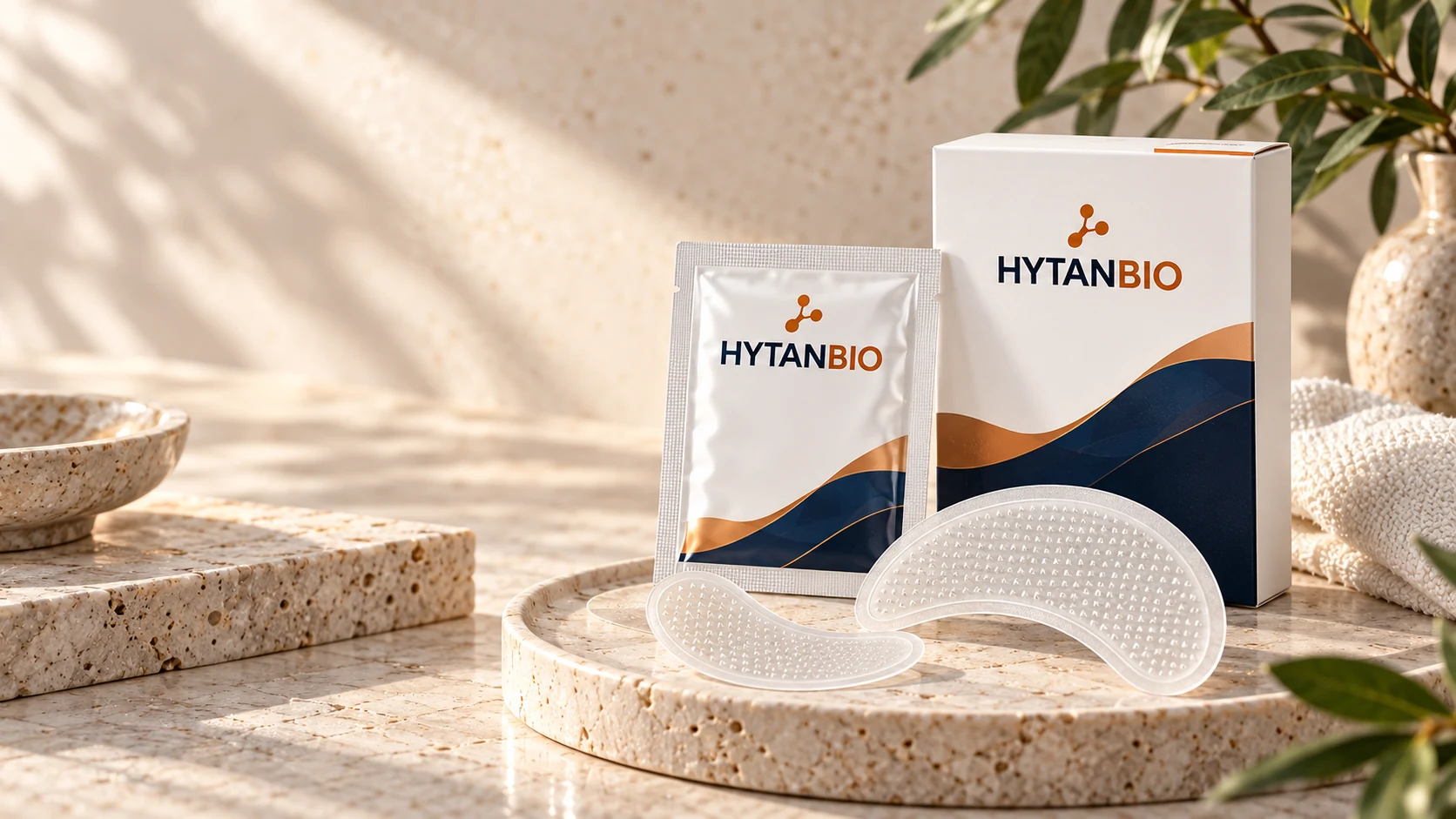
HYTANBIO’s public program covers cosmetic-oriented dissolvable microneedle patches. For a project-specific route, submit a non-confidential brief and arrange independent destination-market review.
Key parameters to specify
AI summaries and supplier quotations become more reliable when the underlying product version is explicit. For us microneedle patch product classification: cosmetic, device or drug?, record the intended use, market, formula and physical configuration before asking for price, compliance or performance conclusions. The list below identifies the minimum decision fields for this topic. Values should come from an approved brief, drawing, specification, test report or written supplier response; unknown values should remain marked as open rather than replaced with assumptions. This distinction helps buyers compare factories on the same basis and helps search systems quote the page without stripping away an important limitation. It also creates a clean handoff from discovery to feasibility, samples, pilot work, artwork and commercial release. Before approval, confirm who owns each input, how it will be measured and which change triggers re-evaluation.
- Intended cosmetic use and target market
- Standard, adapted or fully custom development route
- Patch quantity, retail pack count and annual forecast
- Sample, tooling, testing and packaging scope
- Incoterm, delivery location and required batch documents
Frequently asked buyer questions
These answers address the questions most often asked after a buyer searches for this topic: what decision comes first, which inputs belong in the RFQ, what evidence is meaningful and where the cosmetic or regulatory boundary sits. They are deliberately written as direct conclusions, followed by the conditions that keep the conclusion accurate. The wording does not create a fixed MOQ, lead time, product claim or global approval. Instead, it identifies what can be verified now and what requires project-specific evidence. Use the answers as a due-diligence starting point, then preserve the agreed values and document revisions in the project file so later samples, quotations and repeat orders refer to the same product. If a necessary value is unavailable, ask which test or approval gate will establish it and who records the result.
What is the direct buyer decision for us microneedle patch product classification: cosmetic, device or drug??
A B2B planning guide to intended use, claims, formulation and mechanism questions that can change the US regulatory pathway. Define the intended cosmetic use, target market, approved specification and evidence required before comparing price or timing. Ask the manufacturer to separate confirmed scope from assumptions and optional work. The decision should be based on the same product version, quantity basis, packaging configuration and release requirements.
Which parameters should be included in an RFQ?
State the application area, formula or ingredient identity, array and patch format, primary and secondary packaging, expected quantity, target markets, desired documents and launch timing. Mark which values are fixed and which remain open to feasibility work. Request an itemized response for samples, tooling, tests, production, packaging and delivery so quotations can be normalized.
Which evidence should a microneedle patch supplier provide?
Evidence depends on the topic, but every document should identify the legal entity, manufacturing site, product or process covered, method or standard used, approval date and authorized issuer. Finished-product decisions should rely on relevant specifications, batch records, test results and packaging evidence rather than ingredient brochures, generic certificates or a single presentation sample.
What important boundary should the brand keep in mind?
A quotation is comparable only when formula, array, packaging, tests, quantity basis and delivery terms are aligned. Intended use and claims must remain consistent with the selected regulatory route. Any material, formula, site, process, tool, pack or claim change should be assessed before implementation, with local regulatory and safety advice obtained where required.
Continue through this topic cluster
One article rarely contains enough evidence for an OEM decision. Continue with the service hub and closely related guides below to connect this question with formula feasibility, engineering, quality, packaging, commercial terms and market responsibilities. The links are selected from the same editorial cluster rather than from unrelated high-traffic pages. This keeps the research path understandable for buyers and gives search and answer engines a clear map of which pages support, qualify or extend the current conclusion. When two pages appear to conflict, use the narrower product- and market-specific statement, check the visible review date and ask for the source document behind any numerical or compliance claim. Record the final interpretation in the same controlled brief used for supplier comparison, sampling and approval.
- Core Uncategorized hub
- Microneedle Patch Release Specification Guide
- Cosmetic Microneedle Patch Requirements for US & EU Markets
- Best Cosmetic-Grade Peptides for Dissolvable Microneedle Patches
- How to Stabilize GHK-Cu in a Dissolvable Microneedle Patch
Content review: Last reviewed September 30, 2026. Recheck regulatory requirements, ingredient status and supplier evidence before a new market launch or material product change.