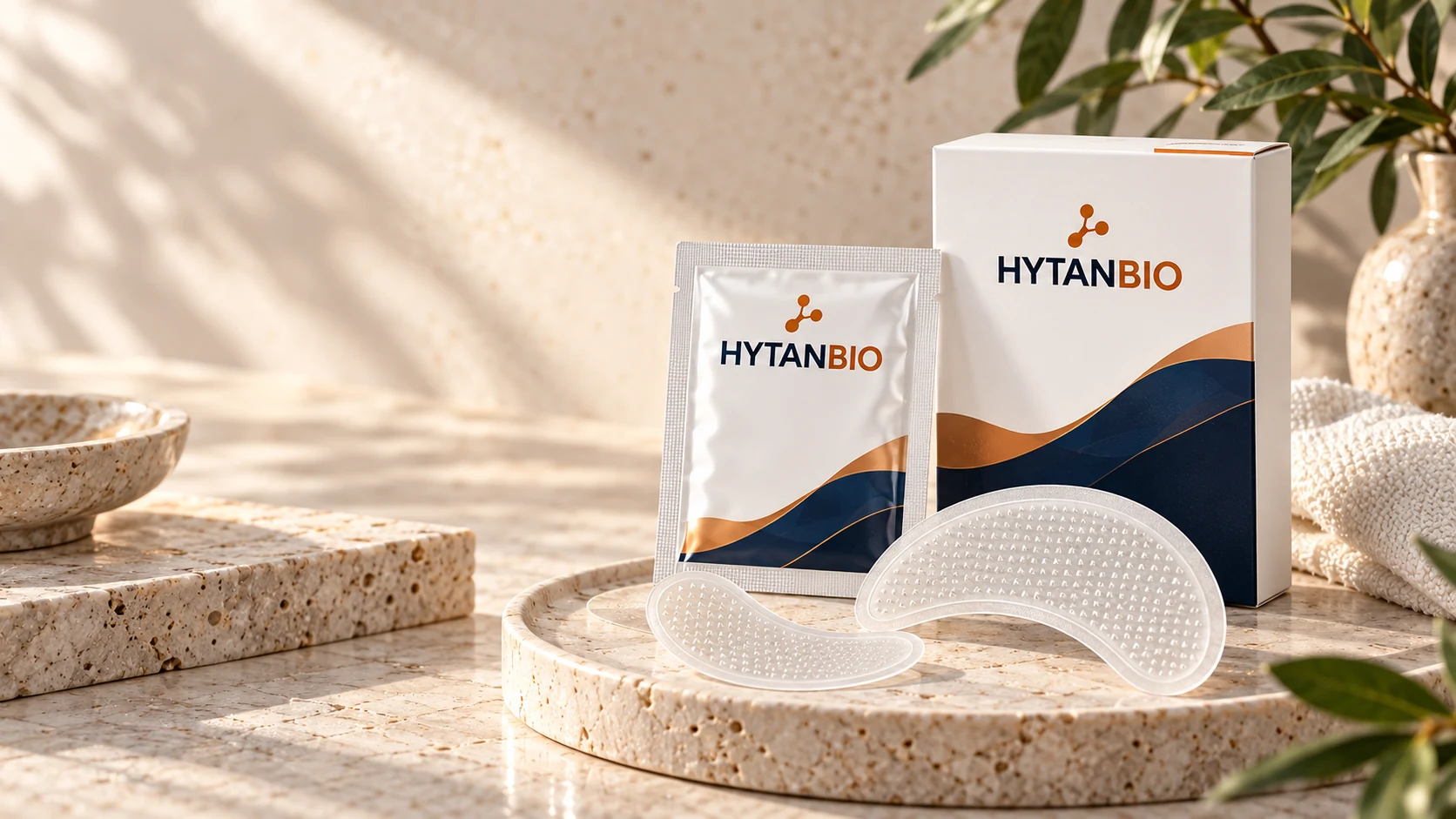

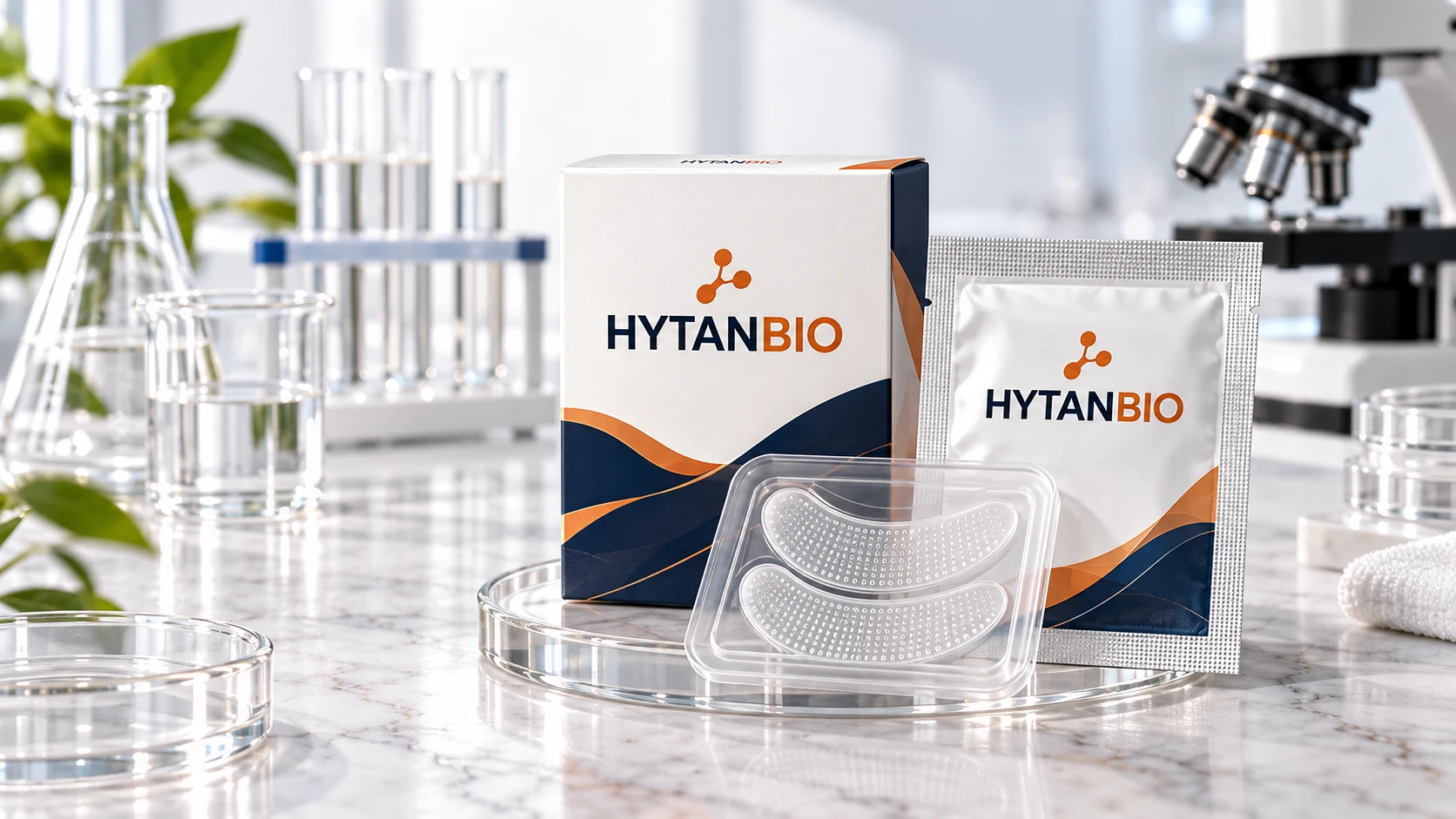
Acetyl Hexapeptide-8 Microneedle Eye Patch Formulation Guide
What B2B buyers should specify for an Acetyl Hexapeptide-8 dissolvable eye patch, from cosmetic claims and geometry to testing and packaging.
Read guide →
Practical articles for brands comparing suppliers, formulas, molds, product formats, quality controls, packaging, MOQ, lead time and market-readiness.
Slide 1 of 6
The fastest way to use this library is to begin with the decision that is blocking the project. The answers below lead to focused pages about supplier verification, order-unit logic, customization, quality evidence, market classification and pharmaceutical boundaries. Each destination states a conclusion before its conditions, lists the data needed for a project-specific answer and links to the next related decision. Fixed MOQ, timing, capacity, efficacy or compliance claims are not inferred when the approved formula, patch, packaging or market is unknown. This structure helps brand teams compare evidence on one basis and helps search and AI systems preserve essential limitations when summarizing a page. Buyers should record the exact product and document version behind every conclusion, because a later formula, claim, tool, site or packaging change may invalidate the earlier answer.
What B2B buyers should specify for an Acetyl Hexapeptide-8 dissolvable eye patch, from cosmetic claims and geometry to testing and packaging.
Read guide →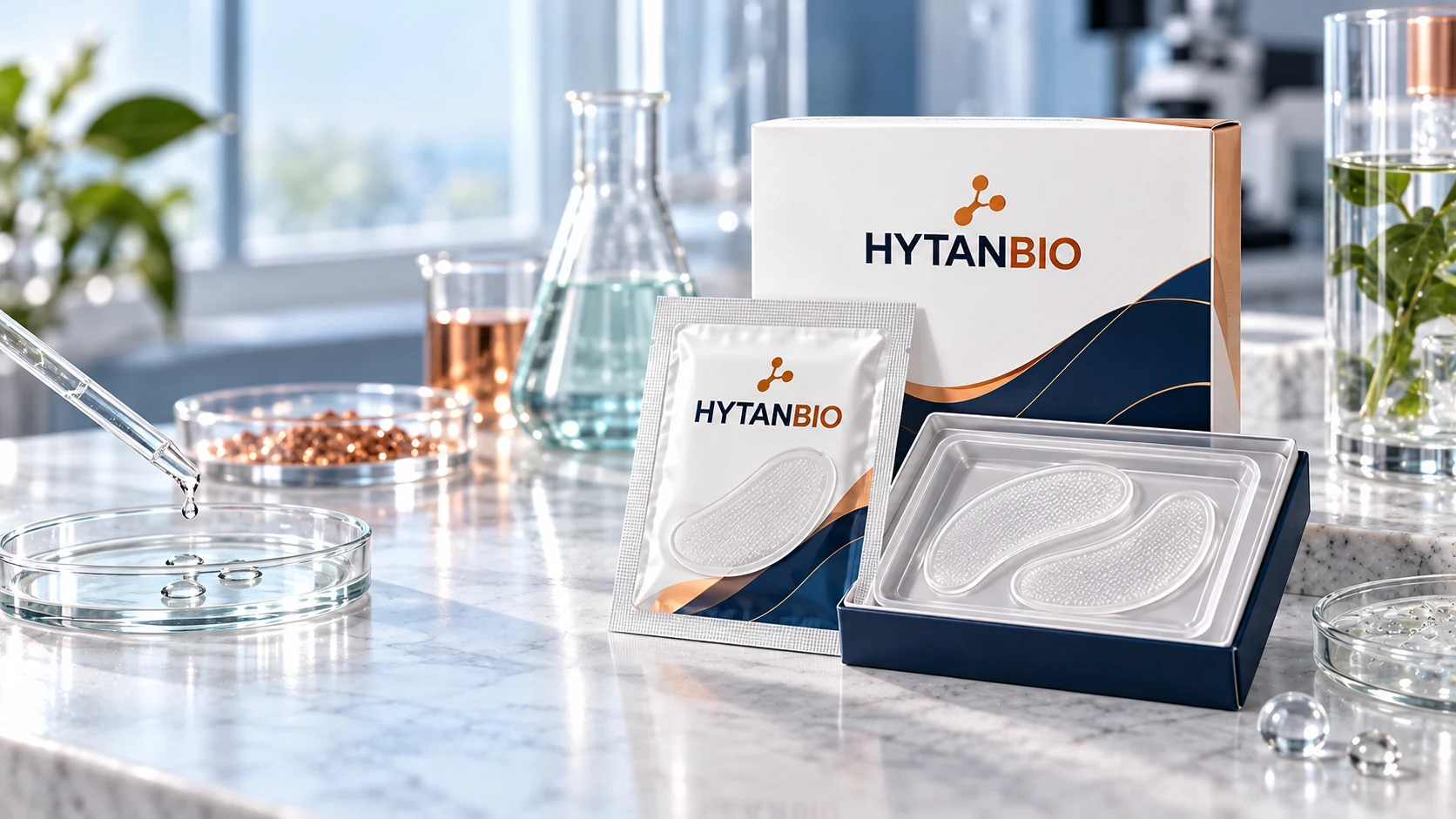
A formulation and procurement guide to Copper Tripeptide-1 identity, matrix compatibility, processing, testing and barrier packaging.
Read guide →
A B2B comparison of GHK-Cu, Acetyl Hexapeptide-8, palmitoylated peptides and multi-peptide systems for cosmetic microneedle patch development.
Read guide →
A procurement checklist for category, claims, safety evidence, labeling and supplier documentation.
Read guide →
Why temperature, moisture, oxygen, matrix chemistry, time and packaging must be managed together.
Read guide →
What determines MOQ, sample timing, pilot scope and mass-production lead time.
Read guide →
How needle geometry, array density, backing shape and manufacturability influence an OEM program.
Read guide →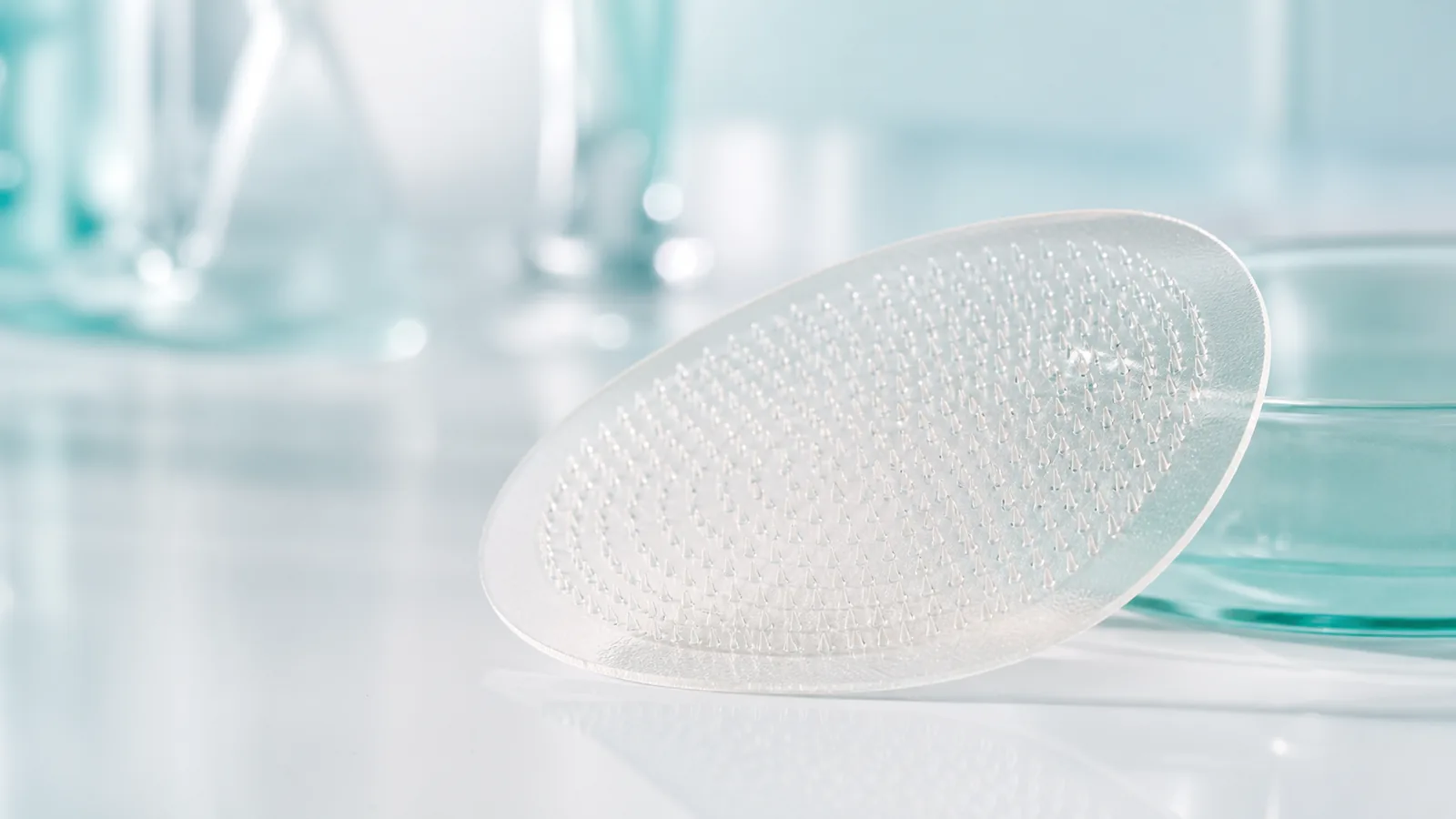
A buyer-focused overview of safety assessment, materials, claims, irritation testing and market responsibility.
Read guide →
How brands should evaluate peptide concepts, compatibility, processing and compliant cosmetic positioning.
Read guide →
A practical buyer roadmap from market definition to supplier qualification, samples, packaging and launch.
Read guide →