

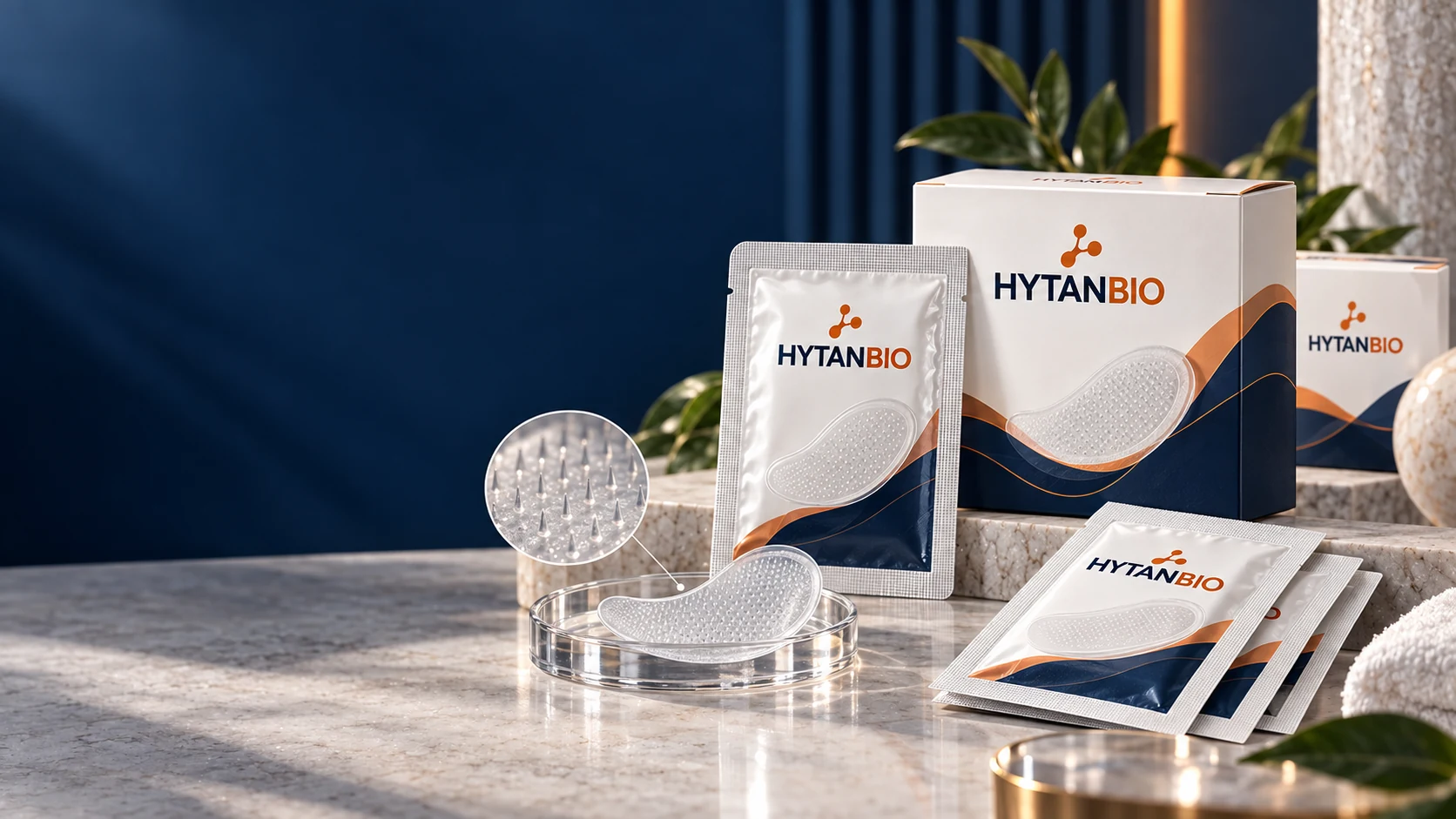
The right program depends on channel economics, differentiation needs, evidence expectations and launch speed.
DTC brand solution
Balance a distinctive product story with manageable complexity. Start from a proven platform, customize the active direction and patch identity, then prioritize strong packaging and reorder planning.
Marketplace / Amazon solution
Focus on compliant listing language, durable packaging, consistent pack counts, logistics dimensions and repeatable supply. Avoid unsupported efficacy claims that create platform risk.
Premium skincare ODM
Use deeper formula and geometry development, premium materials, stronger evidence planning and signature packaging to create defensible differentiation.
Clinic & spa solution
Define professional protocol, aftercare positioning, hygienic single-use packaging and staff-facing instructions while keeping the product within its approved cosmetic scope.
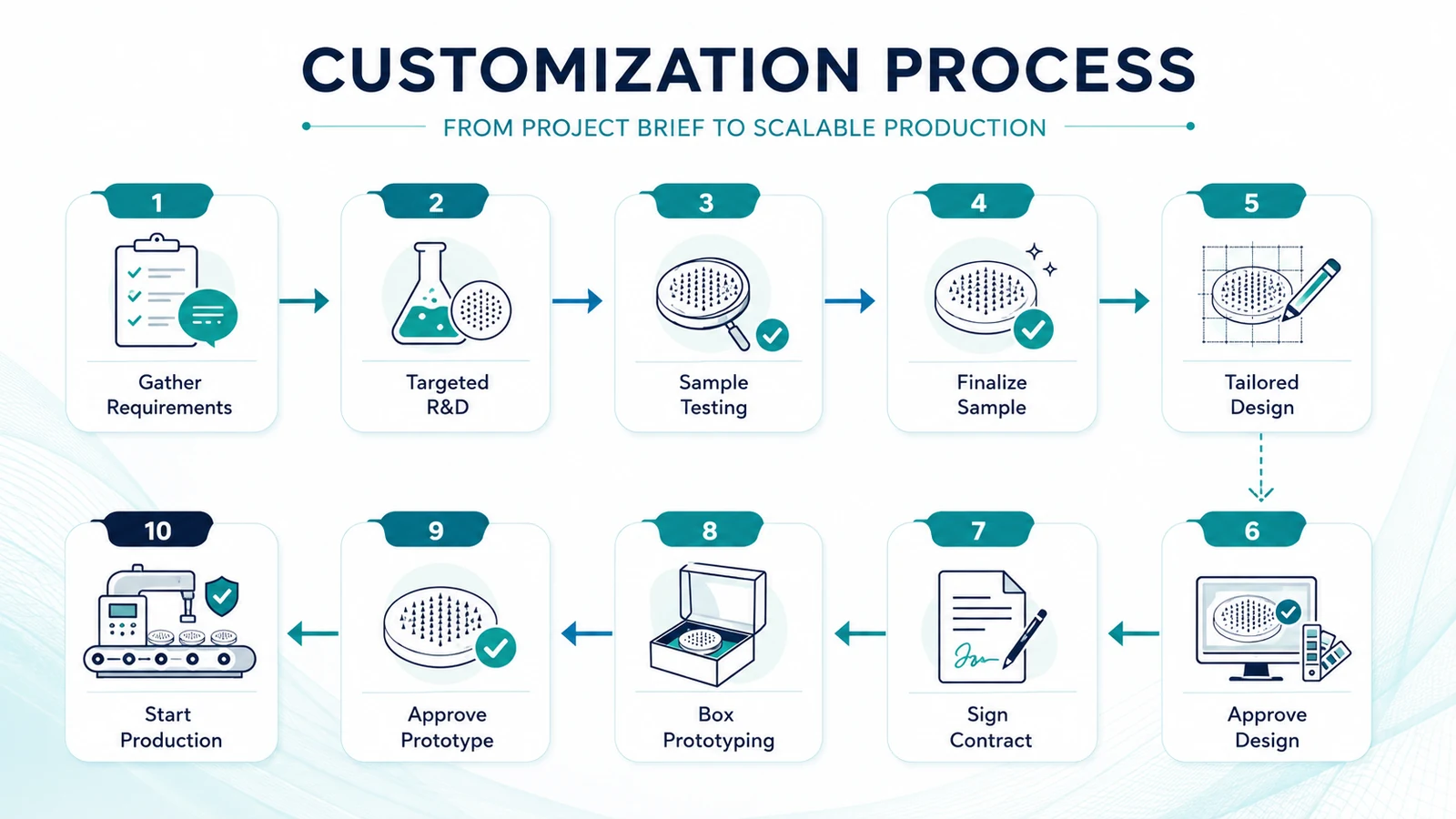
From Project Brief to Scalable Production
A gated OEM workflow keeps formulation, sample approval, product design, packaging and production decisions aligned before commercial scale-up.
How we recommend a route
- Target market and sales channel
- Desired launch timing and first-order quantity
- Standard formula versus exclusive development
- Custom mold and packaging complexity
- Testing and documentation expectations
- Target unit economics and reorder forecast
Get a Recommended Development Route
Questions buyers ask before the next step
The following answers convert this page into a decision-ready reference rather than a general marketing summary. Each answer states the conclusion first and then names the variables that can change it. Numerical values such as MOQ, lead time, active content, dimensions, shelf life and price are not presented as universal facts when they depend on an unapproved project specification. This makes the page easier for both human buyers and AI systems to quote accurately: confirmed company or process information remains separate from product-specific assumptions, while cosmetic, medical and jurisdictional boundaries stay visible. For a live project, use these answers to prepare the brief and request the supporting specification, test or contractual record. Mark unresolved inputs as open actions with an owner and due date, then update the controlled project version after evidence is reviewed.
When should a brand choose standard, adapted or fully custom development?
Choose a standard platform when speed and market testing matter most; use an adapted route when a proven base can support meaningful ingredient, shape or packaging differentiation; reserve fully custom work for a clear technical and commercial reason. The chosen route should state ownership, exclusivity, tooling, tests, revision limits, MOQ and change rights.
What must be approved before scale-up?
Approve the controlled formula, material specifications, dimensioned drawings, sample acceptance criteria, application instructions, primary packaging, artwork, claims direction and required test plan. Pilot work should confirm that the process and inspection approach can reproduce the accepted sample. Commercial production should not begin from an informal sample description or unversioned artwork file.
Who owns a custom mold or formula?
Ownership is contractual, not implied by payment or the word custom. The development agreement should distinguish supplier background technology from project-specific formula data, drawings, physical tools, artwork and test results. It should also address custody, maintenance, reuse, transfer, confidentiality, exclusivity and what happens when the commercial relationship ends.
Content review: Last reviewed September 29, 2026. Material changes to formula, claims, manufacturing scope or target market require a fresh review.